Azadeh — yoga pose by the lake

Knowledge & Practice

Blog & Free
Resources

Articles, guided practices, breathwork guides, and tools for building a more mindful, balanced life.

Meditation at sunset lake

The Engineer's Guide to Mindfulness: Why Analytical Minds Make the Best Meditators

Contrary to popular belief, the systematic, detail-oriented mind is perfectly suited to meditation — once you learn to work with it rather than against it.
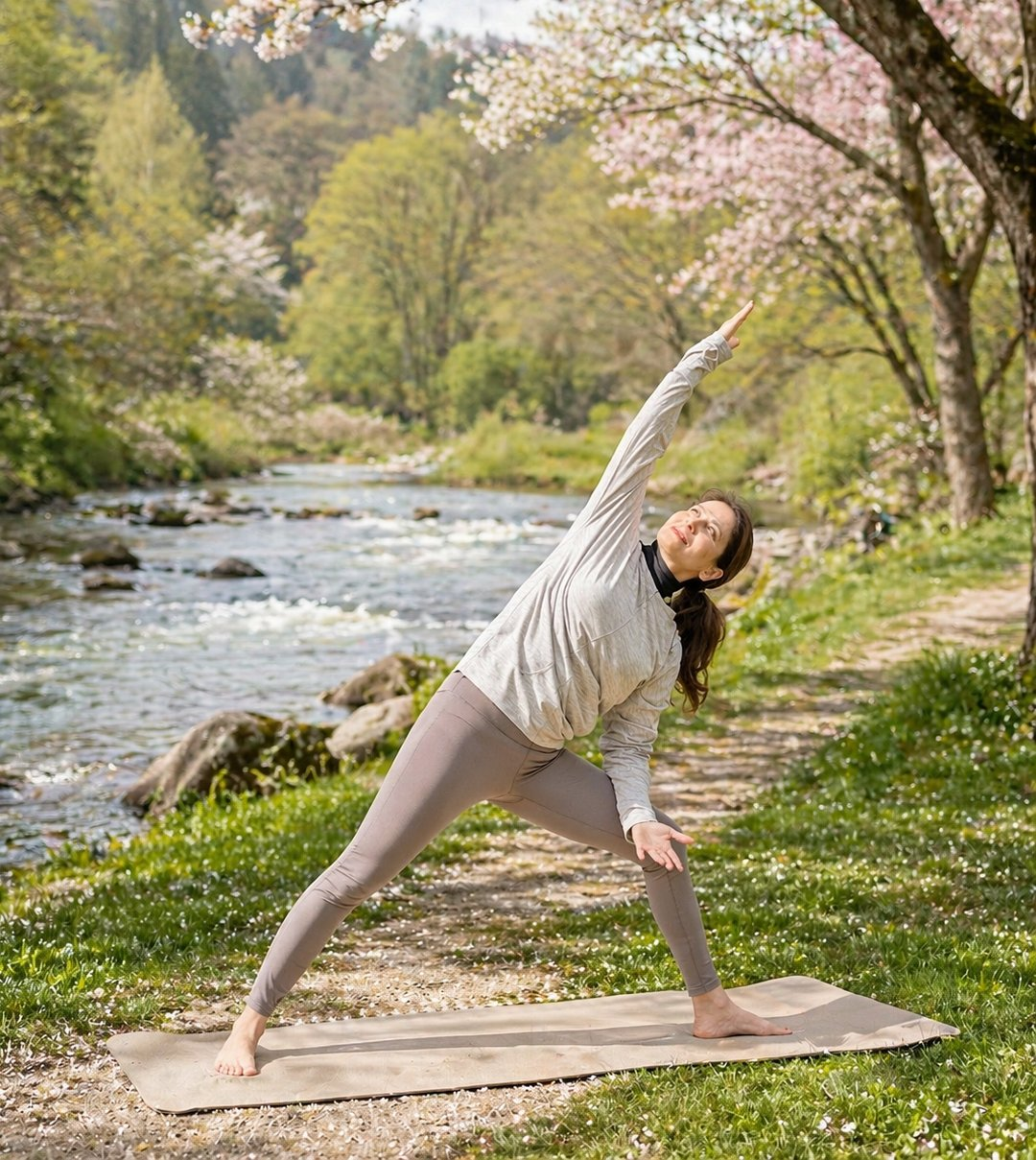
Outdoor yoga pose

5 Morning Yoga Poses That Actually Work for Stiff Bodies

You don't need flexibility to start yoga. These five accessible poses will wake your body up and set a calm tone for the entire day.

Yoga at sunset lake

Why High-Achievers Burn Out — And How Mindfulness Helps

The same drive that makes you successful can quietly erode your wellbeing. Here's how to stay ambitious without losing yourself.
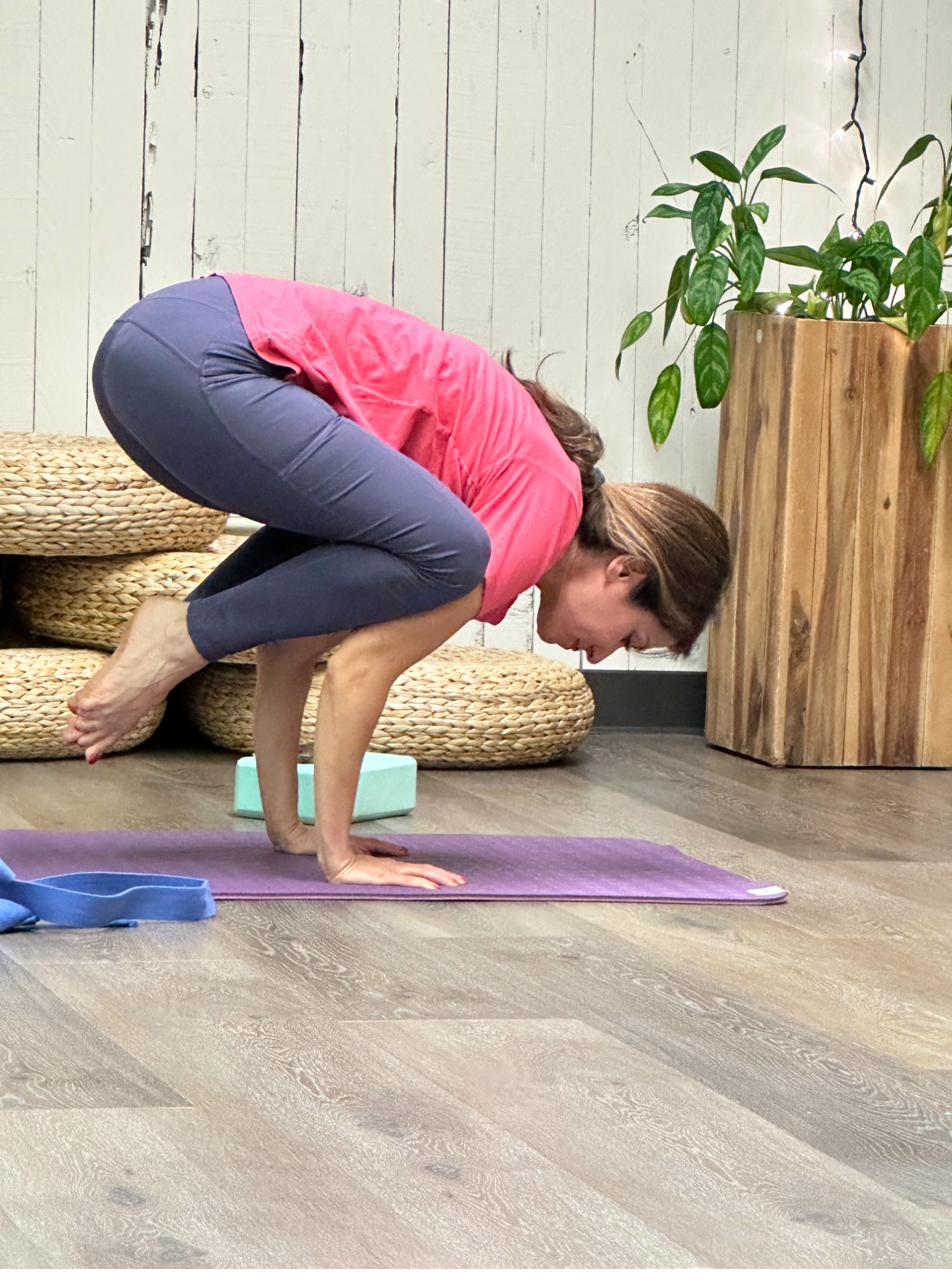
Yoga pose

Understanding the Difference Between Pain and Sensation in Yoga

One of the most important lessons on the mat — and in life. Learning to distinguish healthy challenge from harmful strain.
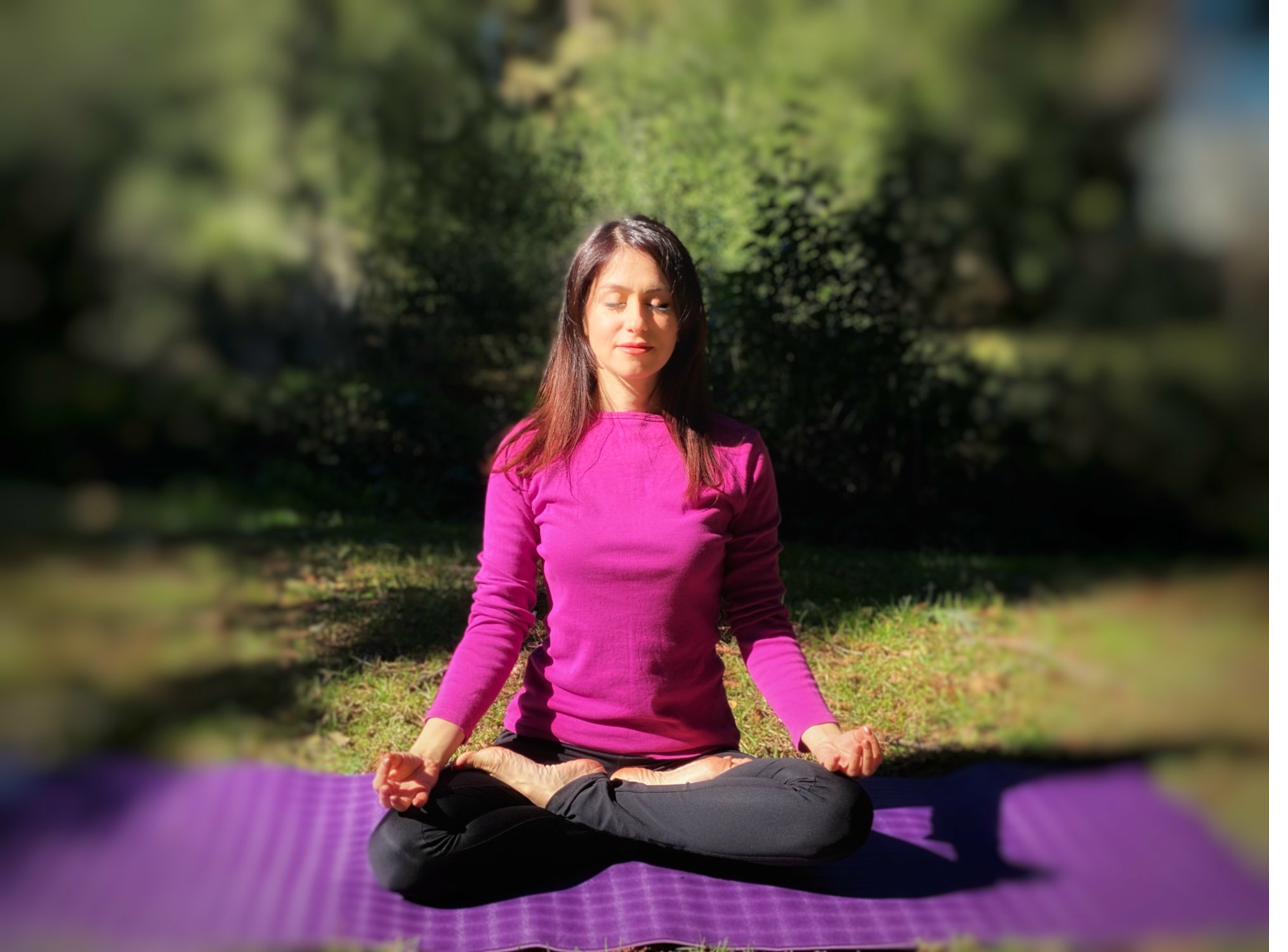
Meditation

A 10-Minute Lunchbreak Mindfulness Practice for Busy Professionals

You don't need an hour or a meditation cushion. This simple, science-backed practice fits in any working day.
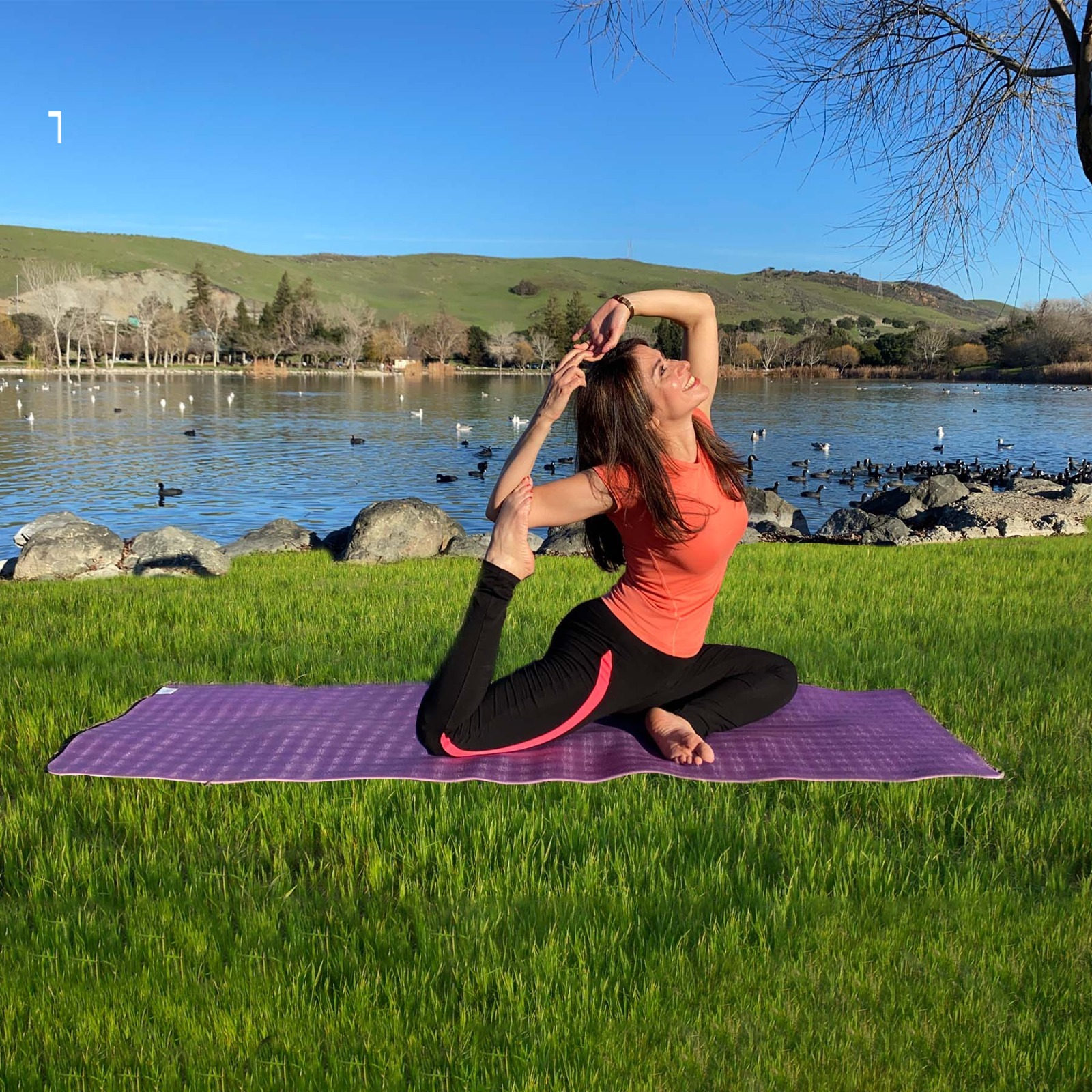
Azadeh — yoga pose by the lake

Finding Balance: What Engineering Taught Me About the Inner Life

The principles of systems thinking, feedback loops, and optimization apply surprisingly well to personal wellbeing.

"The quieter you become, the more you are able to hear."

— Rumi

Free to Download

Practice Resources

Practical tools to deepen your practice between sessions — all free, all grounded in real experience.

5-Minute Guided Meditation

A gentle, accessible guided meditation for beginners and experienced practitioners alike. Perfect for mornings or lunch breaks.

▶ Play Audio →

Breath-work Guide PDF

Four essential pranayama techniques explained clearly, with step-by-step instructions and timing guidance for daily practice.

📄 View & Download PDF →

10-Minute Morning Ritual

A simple, evidence-based morning sequence — movement, breath, and intention — that sets a calm, focused tone for the entire day.

Coming Soon →

Stay Connected

Weekly Wisdom
in Your Inbox

Join 500+ practitioners receiving weekly mindfulness tips, practice ideas, and class updates — no spam, unsubscribe any time.

Your privacy is respected. No spam, ever.

Meditation

The Analytical Mindset & Mindfulness:
A Natural Fit

How Systematic Thinking Enhances the Meditative Experience

There is a common misconception that meditation requires "turning off" your brain — a notion that can feel counterintuitive to those who thrive on logic, detail, and problem-solving. However, research suggests that a systematic mind is actually a powerful asset in mindfulness; it's not about changing how you think, but learning to work with your natural cognitive style.

Why Logic and Mindfulness Align

Empirical Observation

Engineers and analysts are trained to observe systems objectively. Meditation applies this same "code review" to the mind. By treating thoughts as data points rather than absolute truths, you can observe internal states without being overwhelmed by them.

Optimizing the "Default Mode"

We all have a Default Mode Network (DMN) — the brain's "idle" state where the mind wanders. Research shows that mindfulness helps regulate this background processing, allowing for better focus and reduced mental clutter.

Sensory Precision

Analytical thinkers excel at breaking complex problems into smaller components. This "granularity" is a core meditative skill; identifying the specific physical sensations of stress allows the logical brain to remain calm and functional under pressure.

Neuroplasticity as an Upgrade

Rather than a mystical pursuit, mindfulness is applied neuroplasticity. It's a method for strengthening the Prefrontal Cortex — the area of the brain responsible for executive function, planning, and emotional regulation.

Book a Session

Yoga

5 Morning Yoga Poses
That Actually Work for Stiff Bodies

You don't need flexibility to start yoga. In fact, yoga is how you gain flexibility. If you wake up feeling like your joints are made of rusty hinges, these five accessible, gentle poses will wake your body up, increase circulation, and set a calm, grounded tone for your entire day. Do these slowly, breathe deeply, and never push into pain.

1. Child's Pose (Balasana): The Safe Harbor

Why it works for stiffness: This pose gently stretches the entire spine, the hips, the thighs, and the ankles. It's a grounding posture that relaxes the nervous system, making it the perfect gentle start.

2. Cat-Cow Pose (Marjaryasana): Waking Up the Spine

Why it works for stiffness: This is a gentle, dynamic flow that warms up the back muscles and hydrates the spinal discs, immediately reducing that "stiff board" feeling in the morning.

3. Gentle Standing Forward Fold (Uttanasana): Releasing the Hammies

Why it works for stiffness: This releases tension in the entire back body (from calves to neck) and resets the nervous system. The key for beginners is to bend your knees.

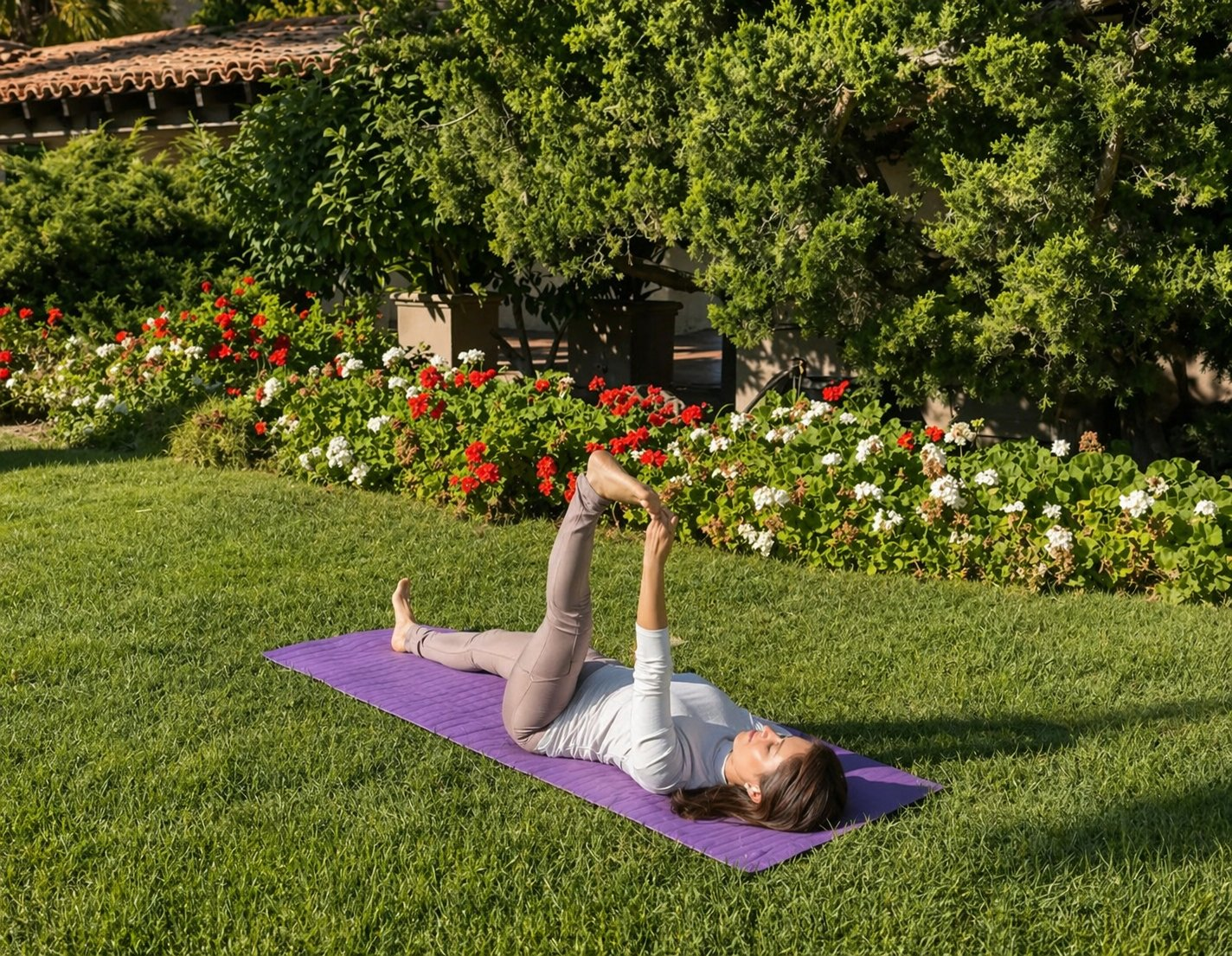
4. Reclined Spinal Twist (Supta Matsyendrasana): Wringing Out Tension

Why it works for stiffness: This twist gently increases flexibility in the spine and massages the digestive organs (great for morning sluggishness). It feels fantastic on the lower back.

5. Legs Up the Wall Pose (Viparita Karani): Rest and Reset

Why it works for stiffness: This is a passive, restorative pose. It reverses blood flow, reducing swelling or heaviness in the legs (which can cause morning stiffness) and calms the nervous system to start your day centered.

After these poses, move slowly back to your morning routine. You've successfully lubed your joints, centered your mind, and proved that you don't need to be a gymnast to practice yoga.

Book a Yoga Session

Wellness

Why High-Achievers Burn Out
— And How Mindfulness Helps

The very qualities that fuel your ascent — unwavering focus, high standards, and a relentless drive for progress — are often the same ones that lead to burnout. In a high-achievement culture, we tend to treat our mental and physical energy as an infinite resource, pushing through "system fatigue" until the body forces a shutdown.

This "quiet erosion" happens when our identity becomes entirely fused with our output, leaving us in a state of chronic high-beta brainwave activity — essentially keeping our internal engines redlined without a cooling system.

Mindfulness offers the essential "operational maintenance" required to sustain peak performance without the crash. By cultivating a practice of intentional awareness, you learn to identify early warning signs of depletion before they escalate into exhaustion.

Scientifically, this shifts the nervous system from a constant state of sympathetic "fight or flight" into the parasympathetic "rest and digest" mode, allowing for true recovery.

Incorporating mindfulness doesn't mean lowering your ambitions; it means optimizing your internal architecture so you can remain high-achieving, clear-headed, and resilient for the long term.

Start Your Practice Today

Yoga

Understanding the Difference Between
Pain and Sensation in Yoga

Pain vs. Sensation: A Data-Driven Guide

When you are practicing yoga, your body is constantly sending data to your brain. To practice safely and build sustainable flexibility, you must learn to accurately classify that data.

Productive Sensation ("Useful Data") Acute Pain ("System Error")
Type: A dull, deep ache; a feeling of "sweet release"; intense heat; a broad muscle pull. Type: Sharp, hot, electric, stabbing, throbbing, or shooting signals.
Location: Felt in the belly of the muscle (the fleshy part). Location: Felt specifically in a joint (knee, hip, spine) or right at the attachment point (the tendon).
Duration: The sensation fades almost as soon as you back off or come out of the pose. Duration: The pain lingers even after you release the pose, or it intensifies.
Mindset: You can still take full, deep, smooth breaths; your face is relaxed. Mindset: Your breath becomes shallow, you start to hold your breath, or your jaw and eyebrows clench automatically.
Action: You can safely hold this "edge" to build capacity; or back off slightly to find ease. Action: Stop the pose immediately. Do not push through this signal; it is an alarm bell.
Book a Safe, Guided Yoga Session

Mindfulness

A 10-Minute Lunchbreak Mindfulness Practice
for Busy Professionals

In a high-velocity work environment, time is a non-renewable resource, and the "all-or-nothing" approach to meditation is often a barrier to entry. However, neurobiological research confirms that consistency is more impactful than duration.

A targeted, 10-minute "micro-session" functions as a strategic reboot for your internal operating system, triggering the Relaxation Response to neutralize the physiological effects of back-to-back decision-making. By dedicating just 1.5% of your workday to intentional recalibration, you prevent the cognitive "redlining" that leads to diminished returns and mid-afternoon fatigue.

By utilizing evidence-based techniques like Box Breathing and Sensory Grounding, you can systematically lower cortisol levels and restore executive function directly from your workspace. This brief intervention facilitates a transition from a reactive, high-beta brainwave state to one of "Flow State" readiness.

There is no requirement for specialized equipment or a change of environment; it is a portable, science-backed method to ensure you approach your afternoon objectives with maximum clarity, resilience, and focus.

The 10-Minute Protocol
PhaseDurationProtocolObjective
1. System Pause1 minClose all tabs; put your phone face down.Immediate reduction of "input noise."
2. Box Breathing3 minInhale (4s), Hold (4s), Exhale (4s), Hold (4s).Rapidly downregulate the nervous system.
3. Sensory Check4 minAcknowledge 3 things you see and 2 things you hear.Disrupt the "stress loop" by shifting focus to objective data.
4. Priority Focus2 minDefine your single most important next step.Re-engage the logical brain for high-impact execution.
Explore Guided Meditation Sessions

Wellness

Finding Balance: What Engineering
Taught Me About the Inner Life

In professional practice, we know that no component operates in a vacuum; every part of a system affects the stability of the whole. Applying this systems thinking to personal wellbeing allows us to view stress, focus, and physical energy as interconnected variables rather than random occurrences.

When we treat our inner life as a complex system, we move beyond "quick fixes" and start identifying the feedback loops — such as how a high-pressure morning affects your executive function by 3:00 PM. By recognizing these patterns, you can make precise adjustments to your "operating environment" to maintain high-level performance without system failure.

This analytical approach replaces the mystery often associated with mindfulness with objective data. By using the same principles of optimization and load-balancing that we apply to technical projects, we can build a more resilient personal infrastructure.

This isn't about changing your nature; it's about applying your existing expertise in systems to the most important project you will ever manage: yourself.

Engineering Principles Applied to Wellbeing
Engineering ConceptWellbeing EquivalentThe Logic
Feedback LoopsSelf-AwarenessRecognizing early physical signs of stress before a "system crash."
System OptimizationMindfulnessRemoving "background noise" to increase cognitive efficiency.
Load BalancingStress ManagementDistributing mental demands strategically to prevent burnout.
Preventative MaintenanceDaily Yoga/MeditationAddressing "wear and tear" daily rather than waiting for a major failure.
Begin Your Optimization Practice